Should You Buy the Viltrox Af 85Mm F1 4 Pro in 2026? A Deep Dive
I've been using the Viltrox AF 85mm F1.4 Pro on my full-frame Sony mirrorless camera for several months now, putting it through portrait sessions, low-light weddings, and some handheld street shooting. In this article I’ll walk you through my real-world experience: what I loved, what annoyed me, how it compares to other 85mm options in 2026, and whether it makes sense for your kit today.
Quick verdict (spoiler)
In my experience, the Viltrox AF 85mm F1.4 Pro delivers excellent optical performance for the price and is a very capable portrait lens on modern mirrorless bodies. If you want a sharp, characterful 85mm with pleasing bokeh and reliable autofocus for a fraction of the cost of premium-brand alternatives, this is worth serious consideration. If absolute top-tier build, weather sealing, or the shallowest possible f/1.2 rendering are priorities, there are better (and much more expensive) options.
Why I bought this lens
I wanted an 85mm portrait lens that offered a balance of image quality, autofocus reliability, and a compact-ish package I could comfortably carry for all-day shoots. I had used fast 85mm primes from other brands, but I was curious whether Viltrox’s Pro line could deliver similarly pleasing results without the size and price penalties of the flagship alternatives. After several months of use I can say it largely met that brief — with a few caveats.
Build and handling
Out of the box the Viltrox AF 85mm F1.4 Pro feels solid in hand. The barrel is mostly metal and the weight is noticeable but not fatiguing for handheld shooting. I liked the tactile feel of the focus ring — it’s smooth and well-damped for precise manual adjustments, which I appreciated during studio sessions where I fine-tuned focus on the eyes. The lens has a USB-C firmware port near the mount; I performed one firmware update early on and found the process straightforward.
One thing that bothered me was that the lens is not as weather-sealed as some manufacturer flagship lenses. I don’t leave it out in rain, and I take extra care at outdoor weddings when there’s wind and sea spray. Also, the lens hood that comes with it is functional, but I had to be careful with tight packing as it’s a little deeper than I expected.
Ergonomics and day-to-day use
Mounted on my Sony body, the balance felt good and focusing with eye AF engaged was fast and usable in nearly every situation. The aperture is controlled electronically via the camera body, and I occasionally missed a dedicated aperture ring when switching between shutter-priority and manual modes, but that’s a personal preference more than a criticism of Viltrox's implementation.
Autofocus performance
Autofocus is one of the most important real-world metrics for me, and it’s where the Viltrox AF 85mm F1.4 Pro surprised me in a good way. On modern Sony bodies with recent firmware, subject acquisition is quick and reliable — especially for stationary portraits and head-and-shoulders shots. Eye AF locks and holds well, and I had very few instances of obvious misfocus when shooting at f/1.4.
That said, there were a few conditions where autofocus struggled slightly: extremely dim candlelit scenes and some backlit situations where contrast is minimal. In those moments I found the lens would hunt a bit before settling, and switching to a slightly smaller aperture (f/2.0 or f/2.8) solved the issue. For fast-moving subjects or action work, it's competent but not optimized — it's built for portraits first.
Image quality: sharpness, bokeh, color
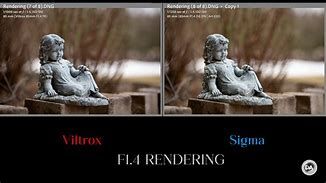
Sharpness is where this lens consistently impressed me. Wide open at f/1.4 the center is very sharp for portraits, and edges sharpen up nicely by f/2.8–f/4. I shoot a lot of studio work at f/1.8–f/2.2, and the rendering is pleasing: skin textures look natural without being clinical, and fine detail is preserved where it matters — hair strands, eyelashes, and fabric textures all come through well.
Shop the latest Cameras & Photography picks on Amazon.
Browse Now →Bokeh is another highlight. The out-of-focus areas have a smooth, creamy character with a gentle transition from subject to background. I particularly liked the way specular highlights roll off; they’re not aggressively “soap-bubble” shaped like some vintage optics, but they have enough character to make subject separation feel cinematic. If you’re chasing the absolute creamiest, most painterly bokeh money can buy (think f/1.2 flagships or certain vintage glass), this lens won’t beat those, but for most portraiture it delivers an attractive look.
Chromatic aberration and coma are well-controlled for the most part. I did notice a touch of purple fringing in extreme high-contrast edges when shooting wide open in bright backlight, but it’s easy to correct in RAW and rarely ruined a shot. Flare resistance is decent; I did see occasional contrast loss with the sun just off-frame, but again it was manageable with careful framing or the hood.
Low-light and practical shooting
With an f/1.4 aperture the lens is excellent in low light when paired with a body that has good high-ISO performance and IBIS. I shot several dim wedding receptions handheld and found the combination of f/1.4 and body stabilization (on the camera) kept shutter speeds usable without excessive ISO. Of course, there’s no in-lens stabilization here, so if you rely on lens-based IS on older bodies you’ll want to consider that trade-off.
Real-world examples from my sessions
- Studio portrait session: I used the lens at f/1.8 for tight headshots. The subject’s eyes were tack-sharp, and the bokeh helped isolate them against a cluttered background.
- Outdoor golden hour shoot: At f/1.4 I got very pleasing separation, but I had to watch focus carefully when the light dipped—focus hold was slightly less consistent at the edge of accuracy.
- Wedding reception: I shot group dances at f/1.4–f/2 and ISO 3200–6400; the images were usable with pleasant color and minimal falloff.
Pros & Cons
Pros
- Great optical performance for the price: Sharp wide open in the center with pleasing rendering and bokeh.
- Reliable autofocus on modern bodies: Eye AF works well and it’s quick for portrait use.
- Solid build quality: Mostly metal construction with a satisfying focus ring and an easy firmware update port.
- Excellent value: You get a lot of image quality without the premium price tag of top-brand flagships.
- USB-C firmware updates: I appreciated the ability to update AF behavior and compatibility over time.
Cons
- Limited weather sealing: I’m cautious using it in heavy rain or dusty conditions.
- No in-lens stabilization: Relies on camera IBIS or higher ISOs for very low-light handheld work.
- Occasional AF hunting: In extremely low light or tricky backlit scenes I saw brief hunting that required stopping down or switching to manual focus.
- Not the absolute smallest or lightest: It’s manageable but not pocketable, and the hood is deeper than expected.
Quick comparison — where Viltrox sits in 2026
| Lens | Mounts | Max Aperture | Autofocus Performance | Build & Weather Sealing | Typical Use |
|---|---|---|---|---|---|
| Viltrox AF 85mm F1.4 Pro | Sony E, Canon RF, Nikon Z (select markets) | f/1.4 | Good — fast on modern bodies, occasional hunting in extreme low light | Solid metal body, limited weather sealing | Portraits, weddings, editorial work on a budget |
| Sigma 85mm F1.4 DG DN Art | Sony E, L-mount | f/1.4 | Excellent — industry-leading accuracy on supported bodies | Very good build, some weather sealing | High-end portrait work, studio and pro use |
| Sony FE 85mm F1.4 GM | Sony E | f/1.4 | Excellent — fast and reliable, optimized for Sony bodies | Premium build, robust weather sealing | Professional portraiture, commercial work |
| Canon RF 85mm F1.2L (or similar flagship) | Canon RF | f/1.2 (varies by model) | Excellent — class-leading in Canon ecosystem | Top-tier build and weather sealing | Highest-end portraits, shallow DOF work |
How it compares in my experience
Compared to flagship 85mm options, the Viltrox is a more affordable tool that gets you most of the look at a fraction of the cost. I found its sharpness and bokeh plugged directly into my workflow without major compromises. Where premium lenses excel — seamless weather sealing, ultra-quick AF consistency in every corner case, and the subjective “look” at f/1.2 — Viltrox doesn’t quite match them. But for day-to-day portrait work and many pro applications, it gives you most of the benefit at a much lower investment.
Who should buy the Viltrox AF 85mm F1.4 Pro in 2026?
In my experience, the lens is a great buy for:
- Portrait photographers who want a fast, pleasing 85mm without paying flagship prices.
- Enthusiasts and semi-pros who benefit from the optical quality and can work around the minor autofocus edge cases.
- Photographers who have a modern body with reliable IBIS and eye AF — pairing it makes the lens shine.
It might be a less ideal choice for:
- Photographers who routinely work in very harsh weather and need full weather sealing.
- Those who need absolute best-in-class AF for fast unpredictable action.
- Fiendish shallow-depth-of-field purists who want f/1.2 rendering specifically.
Buying guide — what to consider before you buy
1. Mount and body compatibility
Make sure the mount version you buy is fully supported by your camera. I used the Sony E version and updated both my camera and the lens firmware during testing; the combination produced the best AF behavior. If you shoot Canon RF or Nikon Z, double-check that the specific Viltrox firmware and camera body interactions are solid for your camera model.
2. Autofocus needs
Think about the type of subjects you shoot. If you mostly shoot posed portraits, editorial sessions, or controlled event coverage, the Viltrox AF 85mm performs excellently. If your work includes fast-paced sports or unpredictable motion, test it on a rental body first to ensure it meets your needs.
Looking for the best Cameras & Photography deals on Amazon?
Browse Now →3. Weather and environment
If you shoot outdoors in rain, dust, or coastal environments frequently, consider whether limited weather sealing is a deal-breaker. I chose to keep a microfiber cloth and plastic cover in my bag for wet shoots rather than rely on the lens alone.
4. Weight and handling
Assess how much you’ll handhold. The lens is not the lightest, but it balances well on full-frame mirrorless bodies. If you prefer smaller setups, compare it to 85mm f/1.8 alternatives which are lighter but have different rendering.
5. Firmware and long-term support
I appreciate that Viltrox provides firmware updates via USB-C. When I updated the lens early in my ownership, it improved compatibility and AF behavior. Check the company’s update history and user forums for reports of ongoing support for your mount.
6. Try before you buy when possible
I recommend renting or trying the lens at a meetup or studio before committing if you can — especially to evaluate autofocus behavior with your specific camera body and to check how the bokeh and skin rendering match your aesthetic.
Final thoughts and conclusion
After several months with the Viltrox AF 85mm F1.4 Pro, I can say it’s one of the best value-for-performance 85mm primes I’ve used recently. I was surprised by how often I reached for it during shoots: the combination of sharpness, pleasing bokeh, and dependable autofocus made it a go-to for headshots and wedding portraits. What I appreciated most was how little effort it took to get professional-looking results; what disappointed me most was the limited weather sealing and the occasional AF hunt in extreme low-light situations.
If you want a lens that gives you much of the classic 85mm portrait look without the weight of flagship pricing, the Viltrox is a sensible, well-engineered choice in 2026. If you require the absolute best build and every marginal AF improvement for mission-critical pro work, a higher-tier option may be worth the investment. For most photographers — enthusiasts and many professionals included — the Viltrox AF 85mm F1.4 Pro is a compelling tool I’ve enjoyed using and would recommend testing with your own camera body.