Should You Buy the Panasonic Lumix S1 Ii in 2026? A Deep Dive
I've been using the Panasonic Lumix S1 Ii as my primary camera for the past six months, putting it through landscapes, weddings, street work, and a handful of video projects. I bought it because I wanted a rugged, full-frame body with strong stills and video chops, and because the L-mount lens ecosystem has matured enough that I could assemble a lens kit without breaking the bank. What I found was a camera that excels in image quality and build, but which asks you to accept a few trade-offs — weight, ergonomics in tight run-and-gun situations, and autofocus behavior that still lags some competitors in certain scenarios.
Introduction — why I chose the S1 Ii
I originally considered several mirrorless bodies when I was deciding what to buy in late 2025: some lighter, some cheaper, some with flashier autofocus. I ultimately chose the Lumix S1 Ii because of a handful of priorities that mattered to me: robust build and weather sealing for outdoor work, a high-quality electronic viewfinder and handling for long hikes, strong in-body stabilization for hand-held shooting, and good color rendering straight out of camera for portraits and landscapes. I also wanted decent internal video features so I could shoot occasional client content without bringing a second video body.
After months of real-world use — dozens of shoots, a week-long trip, and more evenings spent processing RAW files than I'd like to admit — here are the things I appreciated, the things that frustrated me, and my recommendation about whether you should buy one in 2026.
Hands-on review and analysis
Build quality and ergonomics
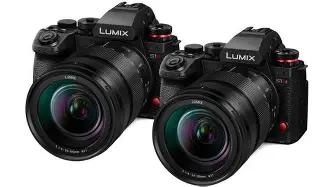
From the first time I picked it up, the S1 Ii felt like a tool built for heavy use. The magnesium alloy body, textured grip, and reassuring weight make it pleasant to hold when I'm standing on a ridge for an hour composing frames. I noticed that Panasonic prioritized physical controls — dedicated dials for exposure compensation, shutter speed, and ISO — which I appreciate for quick adjustments without diving into menus.
That said, the camera is not subtle. It’s heavier and bulkier than many rivals, which became noticeable on multi-day hikes. I learned to balance my kit carefully: if I paired the S1 Ii with a compact prime it was manageable; pair it with a heavy zoom and it felt like a workout. For wedding days or handheld run-and-gun shoots the bulk is noticeable — it gives confidence, but it also causes fatigue over long sessions.
Image quality and color
One of the biggest reasons I keep reaching for this camera is the image quality. The sensor delivers excellent dynamic range and tonal gradation, especially in highlight recovery when I underexpose slightly to protect skies. The colors out of camera are pleasing — a neutral base that responds well to gentle tweaks in post. Skin tones render naturally in most lighting, and I found the files retain detail when pushed or pulled in editing.
In practical terms, I could shoot landscapes at sunrise and recover shadow detail without getting noisy artifacts that often plague smaller-sensor bodies. In portrait sessions the camera’s files held up well to skin cleanup and local contrast adjustments. If your workflow aims for clean, film-like images, the S1 Ii’s raw files are a solid foundation.
Autofocus: improved but not flawless
Panasonic has clearly improved autofocus over previous generations, and in good light the S1 Ii is snappy and confident. When I shot static portraits or posed couples, tracking and subject detection did its job and rarely missed a hit. However, I noticed two recurring limitations:
- I had occasional trouble with small, fast-moving subjects in low contrast situations — stray dogs on the street or kids darting between obstacles. The camera sometimes hunted before locking.
- When shooting fast-paced video with changing subjects, the AF sometimes prefers the wrong subject or drifts in the frame, requiring me to nudge a focus point manually.
For most photographers — landscape, portrait, studio — these AF behaviors are not deal breakers. For wildlife or sports shooters who rely on pixel-perfect continuous tracking, it’s worth comparing live tests against market leaders before committing.
Looking for the best Cameras & Photography deals on Amazon?
Shop Amazon →Stabilization and handheld shooting
I was pleasantly surprised by the in-body stabilization. On several occasions I managed tack-sharp shots at shutter speeds that would normally require a tripod. That came in handy during twilight hikes or when I wanted a slightly slower shutter for movement in a scene without introducing camera shake.
Video stabilization is also solid; paired with the right lens it reduced the need for gimbals during casual run-and-gun work. I still used a gimbal for fast walking shots or very deliberate cinematic moves, but for short interview b-roll or travel videos the built-in stabilization simplified my rig.
Video capabilities
I used the S1 Ii for client short-form content and personal travel videos. The camera offers flexible video formats and respectable color options. In practice, I liked how easy it was to achieve pleasant footage with minimal grading, though for more cinematic projects I still prefer external recorders and log workflows.
Heat management is decent for moderate clips. I did notice heat warnings during several consecutive long high-bitrate clips on very warm days; it didn’t ruin my work, but it forced me to stagger takes and monitor temperatures on extended shoots.
Battery life and storage
The battery life is good compared to many mirrorless bodies — I went through a full wedding day with a couple of spares and felt comfortable. That said, battery consumption goes up quickly with extended live view, video recording, and frequent use of high-refresh EVF modes. I changed my habit of carrying a single extra battery to always having two spares for long days.
Dual card slots are reliable and I used them in overflow/backup mode during client work. I also appreciated the flexible storage options when traveling without frequent back-ups to a laptop.
Menus and customization
The Lumix menu system has improved but is still deep. I spent a few afternoons customizing function buttons and toggles to match my workflow, and once set up I rarely dove into menus. New users should expect a configuration session. I appreciated the level of customization available — you can assign almost any feature to physical controls — but it took time to get everything dialed in.
Pros & Cons
- Pros:
- Excellent image quality with wide dynamic range and rich tonal rendering
- Robust, weather-sealed build — feels professional and durable
- Very effective in-body stabilization for stills and usable for video
- Flexible physical controls and customization once configured
- Good battery life for a mirrorless full-frame body
- Strong color straight out of camera; RAW files are flexible
- Cons:
- Bulky and heavy for long handheld days or travel-only kits
- Autofocus still trails top competitors in fast-action and low-contrast situations
- Menu complexity requires time to customize effectively
- Occasional heat warnings under long continuous video recording
- L-mount lens selection has improved, but some native options remain expensive
Comparison: Panasonic Lumix S1 Ii vs. common alternatives
Below is a practical comparison table highlighting how the S1 Ii stacks up against a few popular alternatives I considered when buying. I focused on real-world strengths and trade-offs rather than raw specs.
Shop the latest Cameras & Photography picks on Amazon.
Browse Now →| Model | Strengths (what it does best) | Typical trade-offs | Best if you value... |
|---|---|---|---|
| Panasonic Lumix S1 Ii | Image quality, build, stabilization, color out of camera | Weight, AF in fast action, menu complexity | Rugged landscape/portrait body with strong video features |
| Sony A7-series (popular rivals) | Fast autofocus, lighter bodies, extensive lens ecosystem | Some find color/skin tones require more editing; smaller grip on some bodies | Run-and-gun, sports, and wildlife where AF and compactness matter |
| Canon R-series (comparable models) | Strong color science for skin tones, reliable AF, solid ergonomics | Lens costs can be high; video options vary by model | Portraits and weddings where skin tone rendering and AF matter |
| Nikon Z-series (comparable models) | Excellent ergonomics, good image quality, competitive AF | Lens lineup still expanding; some bodies are mid-weight | Balanced shooters who want solid stills and good handling |
Buying guide — is the S1 Ii right for you in 2026?
Who should seriously consider it
- Landscape and travel photographers who prioritize image quality and durability over minimal weight.
- Portrait and studio shooters who value color rendering, dynamic range, and a tactile control layout.
- Content creators who want a camera that comfortably handles both stills and occasional client video.
- Photographers invested in L-mount lenses or those willing to take advantage of Sigma/Leica options in the mount.
Who might want to look elsewhere
- Photographers who need the lightest possible kit for long treks — you’ll notice the weight.
- Sports, birding, or fast-action shooters who demand the absolute best subject-tracking AF in low contrast or chaotic scenes.
- Users on a tight budget who prioritize price over build and image bracketing flexibility.
Recommended lenses and accessories
In my experience, the S1 Ii shines when paired with lenses that complement its stabilization and handling. I used a medium telezoom for portraits and two primes (a wide and a short tele) for most work. The L-mount options from third-party makers give a good balance of cost and performance; if you buy used glass you can assemble a capable kit quickly.
Accessories I’d recommend buying with the camera:
- Two spare batteries and a multi-charger — long days will eat power if you use the EVF and video
- A reliable compact tripod for landscapes; the camera’s weight benefits from solid tripod support
- A hand strap or padded camera strap — the body’s grip is great but the mass is still present
- Fast and high-capacity memory cards for video and burst shooting
- If you plan on heavy video work, consider an external recorder to avoid heat limitations and to get higher-bitrate codecs
New vs. used — timing your purchase
In 2026 the used market is healthy; you can often find lightly used S1 Ii bodies at a discount. If you want to save money, buy from a reputable seller and check shutter actuations and cosmetics. If you prefer a warranty and the latest firmware perks, buying new is still sensible — Panasonic has continued improving firmware over time, and I received a meaningful update within months that improved AF behavior in some scenarios.
Practical tips from my months of use
- Spend an afternoon customizing buttons and menu banks — it pays off. Once I mapped my most-used functions to top dials and Fn buttons, my shoot speed improved noticeably.
- Use stabilization strategically: the IBIS is strong, but if you need motion blur for creative effects, pair it with a lens that has a compatible stabilization profile.
- For long video takes on warm days, monitor temps and carry a small fan or rotate takes to avoid overheating warnings.
- Try to balance your kit: a heavy body needs lighter glass unless you enjoy shoulder strain.
Conclusion — should you buy it?
After using the Panasonic Lumix S1 Ii for months, my verdict is that it’s an excellent camera for a specific kind of photographer: someone who values image quality, robust construction, and versatile stills/video capability over a minimal kit weight and absolute best-in-class autofocus tracking. In my experience it rewarded me with beautiful final images, reliable stabilization that let me work hand-held in situations I previously would have tripod-mounted, and a build that stood up to weather and demanding use.
What ultimately kept me reaching for it was the confidence in the files: rich tonal range, pleasing colors, and flexibility in post. What occasionally frustrated me was the extra effort needed to tame the autofocus in chaotic action and the physical toll of carrying it all day. If those trade-offs fit your workflow, the S1 Ii remains a very strong, well-rounded choice in 2026. If you need the lightest possible kit or you shoot fast-moving subjects professionally, you should test it against competitors in your typical shooting scenarios before deciding.
In the end, I’m glad I bought it — not because it was perfect, but because it fit the kind of work I do most of the time. It made many shoots easier and produced images I’m proud to share.