Don't Buy Until You Read This: Sigma 17 40Mm F 1 8 Dc Art vs Leica Q3 Monochrom
This head-to-head looks at two very different photographic tools that might both appear on a serious buyer’s shortlist: the Sigma 17 40Mm F 1 8 Dc Art, a fast wide-to-standard zoom from Sigma's Art line aimed at creative photographers using APS-C cameras, and the Leica Q3 Monochrom, a premium fixed-lens, full-frame monochrome camera aimed at photographers who want the ultimate black-and-white capture experience. This article breaks down the practical differences, real-world use cases, strengths and weaknesses, and provides a buying guide to help decide which one — or which combination of gear — best matches a photographer’s needs.
Introduction: Two tools, two philosophies
At first glance these products occupy different universes. The Sigma lens is a versatile, fast zoom intended to pair with an interchangeable-lens camera body to cover wide-angle to short-tele perspectives on an APS-C sensor. The Leica Q3 Monochrom is a complete camera system with a fixed lens and a sensor optimized for monochrome capture. The comparison is less about raw specification and more about photographic approach: flexibility and reach versus simplicity and black-and-white purity.
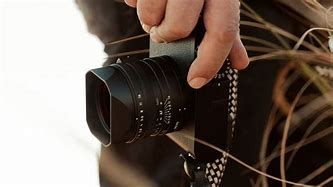
Buyers typically care about image quality, low-light performance, handling, portability, and overall value. For working photographers and enthusiasts considering either of these, the decision will be shaped by the genres they shoot (street, landscape, portrait, documentary), whether they want color or exclusively monochrome, and what existing gear they already own.
Product analysis: Sigma 17 40Mm F 1 8 Dc Art
The Sigma 17 40Mm F 1 8 Dc Art positions itself as a fast, wide-to-normal zoom for APS-C shooters who demand creative shallow-depth-of-field control without sacrificing the convenience of a zoom. It targets photographers who want a single-lens solution for environmental portraiture, street scenes, travel, and documentary work where speed and framing flexibility matter.
Optical character and image quality
In real-world shooting, fast zooms from Sigma’s Art line often prioritize sharpness, controlled chromatic aberration, and pleasing out-of-focus rendition. Users can expect strong center sharpness wide open with good contrast and micro-contrast when used on modern APS-C bodies. At the wider end it is well suited for landscapes and environmental portraits; at the longer end it can isolate subjects and compress scenes for portrait and editorial work.
Low-light and autofocus
A constant or very fast maximum aperture near f/1.8 makes the lens excellent for low-light shooting and for creating shallow depth of field. Autofocus performance will depend on the camera body it is paired with; modern bodies typically produce quick, reliable AF for most everyday situations. For action or sports, a dedicated telephoto or a faster AF system may still be preferable, but the Sigma's speed and focusing characteristics suit documentary, wedding, and street work.
Build, ergonomics, and compatibility
Art-series lenses are typically well built with solid barrels and durable mounts. The Sigma 17 40Mm is likely to feel substantial in the hand but not overburdening. For travelers and run-and-gun shooters the lens offers an attractive balance between ruggedness and usability. Compatibility across mounts (depending on the specific mount variant purchased) means it can serve photographers across Canon, Nikon, and other APS-C ecosystems.
Discover deals on Cameras & Photography — updated daily.
Browse Now →Real-world use cases
- Street photography: Fast aperture and versatile focal range allow quick framing and subject isolation in mixed light.
- Event and documentary: The zoom range handles group shots and tighter portraits without frequent lens changes.
- Travel: One lens to cover wide cityscapes and closer subjects; the speed helps in dim interiors and night scenes.
- Portraits: At the longer end and wide aperture it produces subject separation with a smooth background.
Pros & Cons — Sigma 17 40Mm F 1 8 Dc Art
- Pros:
- Excellent low-light capability and shallow depth-of-field control for an APS-C zoom
- Versatile focal range for many genres
- High perceived build and optical quality consistent with Sigma Art line
- Good value for photographers who need flexibility without carrying multiple primes
- Cons:
- Heavier and larger than typical kit zooms — impacts portability for long travels
- Not a substitute for ultra-wide or long-telephoto reach
- Image character will differ by camera body — lens alone does not ensure final output
Product analysis: Leica Q3 Monochrom
The Leica Q3 Monochrom is a camera built around a single-minded philosophy: create the best possible black-and-white images natively, without interpolation or de-bayering. As a fixed-lens camera, it pairs a high-quality prime with a full-frame monochrome sensor, giving photographers a compact, purpose-built tool for monochrome imagery.
Monochrome sensor advantages
A dedicated sensor that captures luminance but not color brings several practical advantages: higher effective sharpness (no Bayer filter), greater per-pixel sensitivity, and finer tonal gradations. Photographers who prioritize black-and-white editorial, fine art, and documentary work often appreciate the cleaner shadows, smoother transitions, and unique rendering that a monochrome sensor provides.
Handling and design
Leica’s execution typically emphasizes tactile controls, minimalist menus, and an experience that encourages intentional shooting. The fixed-lens design removes lens swap decisions and simplifies weight distribution. For many photographers the Q-series form factor is comfortable for street and reportage work, combining a generous viewfinder, straightforward controls, and a lens that is well-matched to common focal lengths used in black-and-white photography.
Use cases in the real world
- Street and documentary: The compact, discrete body and prime lens focal length are ideal for unobtrusive shooting.
- Fine art: Native monochrome capture yields images that often require less post-processing to achieve an artistic black-and-white look.
- Portraiture: The tonal fidelity and resolving power excel for textured, high-contrast portraits.
- Low-light shooting: The monochrome sensor’s sensitivity helps in dim situations while preserving detail.
Pros & Cons — Leica Q3 Monochrom
- Pros:
- Native monochrome capture with superior tonal rendering and sensitivity
- Simplified workflow for photographers committed to black-and-white output
- Premium build, controls, and user experience typical of Leica
- Fixed lens matched to the sensor for optimized image quality
- Cons:
- Lack of color capture means reduced versatility for mixed assignments
- Fixed lens limits framing flexibility — no zooming without moving physically
- Typically a high price of entry compared with interchangeable systems
- Smaller user base for repair and aftermarket modification in some regions
Comparison table
| Category | Sigma 17 40Mm F 1 8 Dc Art | Leica Q3 Monochrom |
|---|---|---|
| Type | Interchangeable zoom lens (for APS-C) | Fixed-lens camera with dedicated monochrome sensor (full-frame) |
| Primary strength | Versatility and fast aperture for varied shooting | Native B&W image quality and tonal fidelity |
| Best use cases | Travel, street, event, environmental portraiture | Street, documentary, fine-art black-and-white photography |
| Portability | Moderate — heavier than kit lenses but still practical | Very portable as an integrated system |
| Flexibility | High — can switch lenses, use on different bodies | Limited by fixed focal length and monochrome-only capture |
| Workflow | Standard color RAW workflow; convert to B&W if desired | Straight-to-monochrome workflow with minimal conversion needed |
| Price tier | Mid to upper depending on market and mount | Premium / luxury segment |
Which one should you buy? A practical buying guide
1. Define what you shoot most
Start with the genres you shoot most often. If a photographer shoots color fashion, landscape color work, or assignments requiring rapid focal changes, an interchangeable system with a versatile zoom like the Sigma will likely be the better fit. If most of the work is black-and-white street, documentary, or fine-art portraiture, a dedicated monochrome camera delivers a streamlined workflow and image quality tailored to that output.
2. Consider flexibility vs. specialization
The Sigma lens offers flexibility: it can be attached to different bodies, swapped out, and used across a range of situations. The Leica Q3 Monochrom is specialized — it simplifies decisions and can improve creative focus for photographers committed to monochrome. Ask whether specialization enhances or limits creative opportunities for the intended projects.
3. Evaluate budget and total system cost
Beyond the sticker price, consider lenses, accessories, and long-term system costs. A lens purchase may be just one part of a larger ecosystem investment; a Leica monochrome camera is a concentrated purchase but may eliminate the need for multiple lenses if that single focal length matches the photographer’s style.
4. Think about resale and longevity
Interchangeable-lens systems tend to retain value and adapt over time as bodies and lenses evolve. Leica’s cameras also hold value well in many markets, but a monochrome body appeals to a narrower market segment. Consider future needs: will one want to expand into color photography later?
Discover deals on Cameras & Photography — updated daily.
Browse Now →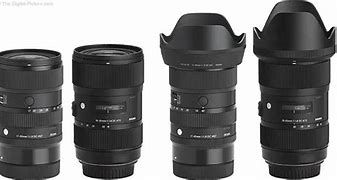
5. Try before you buy
Whenever possible, test both systems in the field. Rent the Sigma on a body similar to the one you own and shoot a full day; if possible, test the Leica Q3 Monochrom for a few sessions to experience the single-lens workflow. Handling, autofocus behavior, and the emotional response to final images are best judged through actual use.
6. Practical workflow considerations
For photographers who do heavy post-processing, the Sigma’s color RAW files offer more options. For those who want to minimize editing time and produce high-quality monochrome straight out of camera, the Leica is an attractive option. Also consider file management, backup, and whether specialized monochrome files will fit into existing client or archive requirements.
Real-world scenarios: picking by use case
Here are short recommendations based on common buyer profiles:
- Street photographer seeking simplicity: Leica Q3 Monochrom — single-lens ergonomics and monochrome output make the process faster and more focused.
- Travel photographer who shoots everything: Sigma 17 40Mm F 1 8 Dc Art — flexibility to cover multiple focal lengths and color/black-and-white options.
- Wedding/documentary shooter: Sigma lens on an interchangeable body — faster framing versatility and adaptability in mixed lighting.
- Fine-art black-and-white portraitist: Leica Q3 Monochrom — tonal subtlety and direct monochrome capture can be a creative advantage.
Conclusion
Choosing between the Sigma 17 40Mm F 1 8 Dc Art and the Leica Q3 Monochrom is less about which product is objectively better and more about which photographic philosophy the buyer embraces. The Sigma lens offers versatility, speed, and the practicality of an interchangeable-lens system — a strong choice for photographers who need adaptability and color capability. The Leica Q3 Monochrom is a focused, high-end tool for photographers who want the purest path to black-and-white images, with a simplified workflow and a tactile shooting experience that many find creatively liberating.
Ultimately, buyers should reflect on what they shoot most, how much flexibility they need, and whether they value a dedicated monochrome tool over a flexible zoom that enables a wide variety of photographic tasks. Testing both in real shooting conditions, considering total system costs, and prioritizing the kinds of images one wants to make will lead to the right decision for each photographer.