Biggest Audio Pro Addon C10 Mkii Buying Mistakes (And How to Avoid Them)
The Audio Pro Addon C10 Mkii has become a popular choice for buyers who want a compact, versatile wireless speaker with a stronger tonal weight than bookshelf-size smart speakers. However, good intentions and a tidy spec sheet do not always translate into a satisfying purchase. This article outlines the most common mistakes people make when buying the Addon C10 Mkii, analyzes the speaker's real-world strengths and limitations, and provides practical advice so buyers get sound and value that match their needs.
Introduction: Why buyers get tripped up
Many buyers fall for headline features—"wireless," "multiroom," "streaming"—without matching those features to how they actually live with audio day-to-day. The Addon C10 Mkii offers a blend of traditional Hi‑Fi design and modern streaming convenience, but that mix creates several decision points where small misunderstandings have outsized effects: room size, placement, expected bass performance, ecosystem compatibility, and how a buyer intends to use the speaker. This article helps prospective owners avoid those pitfalls.
Detailed product review and practical analysis
At its core, the Addon C10 Mkii is an active two-way speaker with built-in amplification, network streaming, and a compact footprint designed for tabletop or bookshelf use. In real-world listening, it tends to present a warm, mid-forward signature with controlled but not earth-shaking bass. That makes it excellent for vocal- and guitar-based music, podcasts, radio, and background listening in small-to-medium rooms. For buyers expecting floor‑shaking low end, misunderstandings often arise.
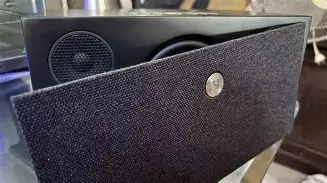
Build and finish: The Addon C10 Mkii generally presents a well-made enclosure with a dense cabinet and a restrained aesthetic. The controls and app experience vary slightly by firmware and regional releases, so users should verify the current app behavior and update status before relying on particular streaming features.
Sound signature and performance: The speaker favors clarity in the midrange and a polite treble presentation, which reduces listening fatigue at moderate volumes. Stereo imaging from a single box is limited by physics—buyers should audition the speaker for placement-dependent imaging effects if stereo soundstage is important. Low-frequency extension is good for its size but reaches limits quickly in larger rooms or with bass-heavy genres.
Connectivity and features: The Addon C10 Mkii typically offers Wi‑Fi streaming (multiroom-capable in manufacturer ecosystems), Bluetooth for quick phone pairing, and at least one analog or digital input for connecting sources like a TV or turntable (with a phono preamp). Buyers should check which streaming protocols are available—Spotify Connect, AirPlay, Chromecast, and others vary by model and firmware. Network stability and app maturity will influence daily experience more than raw driver count.
Use cases where the Addon C10 Mkii shines:
- Kitchen or home office music: compact size, good midrange, and easy streaming make it useful for background music.
- Bedroom listening: polite volume handling and lack of harsh treble suit night-time listening.
- Secondary TV sound: when paired over a wired input, it can improve dialogue clarity for small TVs.
- Multiroom setups: as part of an ecosystem, it provides consistent tonality across rooms without the complexity of separates.
Use cases to approach with caution:
- Primary stereo for critical listening: single‑cabinet stereo imaging and bass extension will disappoint discerning listeners who want a wide soundstage or deep sub-bass.
- Large living rooms or parties: power and bass limits mean the speaker will not replace full-range floorstanders or PA‑style systems in those settings.
Performance caveats buyers often miss
Room interaction matters. Near‑wall placement will reinforce low frequencies and can muddy the sound; moving the speaker inches can dramatically change perceived bass. Firmware and app updates can add or remove features—buyers should confirm current feature sets, not historic advertising. Finally, the perceived “value” of the speaker depends on what a buyer values most: convenience, tone, loudness, or ecosystem integration.
Pros & Cons
- Pros
- Rich, mid‑focused tonal balance that suits voices and acoustic instruments
- Compact, well-made enclosure that fits many domestic environments
- Flexible connectivity options that support modern streaming workflows
- Works well as a multiroom component in manufacturer ecosystems
- Cons
- Limited low-frequency extension compared with larger speakers or systems with a subwoofer
- Single-box stereo limitations—true wide stereo requires two units or separate speakers
- Feature set depends on firmware and app—expect variation over time or between regions
- Not optimal for large rooms or high-volume party use
Comparison: Where the Addon C10 Mkii sits among alternatives
| Model | Form Factor | Best for | Typical Strength | Limitations |
|---|---|---|---|---|
| Audio Pro Addon C10 Mkii | Compact active speaker | Small-to-medium rooms, multiroom use | Mid clarity, streaming versatility | Bass depth, single-box stereo imaging |
| Audio Pro Addon C10 (original) | Compact active speaker | Similar uses as MkII | Proven tone and value | Older firmware, fewer feature updates |
| Compact Smart Speaker (typical competitor) | Smaller smart speaker | Voice-assistant integration, casual listening | Hands-free convenience | Thinner sound, less musicality |
| Bookshelf Stereo Pair or Powered Monitor | Two-piece stereo setup | Critical/hi‑fi listening | Wide soundstage, better bass with sub | Requires more space and setup |
Biggest buying mistakes and how to avoid them
The following are the most common mistakes buyers make with the Addon C10 Mkii, with practical steps to avoid them.
Discover deals on Audio & Headphones — updated daily.
See Deals →Mistake 1: Buying sight unseen without auditioning
Why it happens: The speaker looks appealing online and user reviews are positive, so buyers expect the same fit for their environment.
How to avoid it: Whenever possible, audition the speaker in a store or borrow one to test at home for at least a few days. If in‑person auditioning isn’t possible, check return policies and ensure the retailer allows a reasonable trial period. Test with familiar tracks that include vocals, acoustic instruments, and the bass-heavy songs you listen to most.
Mistake 2: Ignoring room size and placement
Why it happens: Buyers assume a “one-size-fits-all” speaker will perform well anywhere.
How to avoid it: Match the speaker to room size. For rooms larger than about 20–25 m² or for open-plan living areas, plan for additional support (second speaker or subwoofer). Consider placement: keep it away from immediate corners for tighter, cleaner bass and experiment with distance from the wall to tame bass boom.
Mistake 3: Expecting deep, visceral bass
Why it happens: Compact powered speakers sometimes advertise punchy bass, and marketing images can mislead regarding low-frequency capability.
How to avoid it: Understand physical limits—driver size and cabinet volume constrain low-frequency output. For bass-heavy listening, plan to add a subwoofer or choose a larger floorstanding speaker. If adding a sub, ensure the Addon C10 Mkii’s outputs and phase controls (if present) are compatible with the subwoofer chosen.
Mistake 4: Overlooking ecosystem and streaming requirements
Why it happens: Buyers want “all the streaming” but don’t verify which protocols are supported in the current firmware.
How to avoid it: Before purchase, confirm whether the speaker supports the streaming services and protocols required—Spotify Connect, AirPlay, Chromecast, etc.—and whether the manufacturer’s app meets expectations. Check whether the speaker receives regular firmware updates and whether the ecosystem supports multiroom syncing at acceptable latency.
Mistake 5: Not checking inputs and compatibility for TV or turntable use
Why it happens: Buyers may assume any wireless speaker will integrate seamlessly with TV or analog sources.
How to avoid it: Verify available physical inputs (optical, RCA, aux) and whether a phono preamp is required for turntables. For TV use, confirm input latency and whether lip sync drift is an issue when using wireless connections. Some buyers prefer wired connections to avoid sync issues.
Looking for the best Audio & Headphones deals on Amazon?
View Offers →Mistake 6: Buying a single unit for stereo expectations
Why it happens: The speaker’s strong tonal balance can create the illusion of broad stereo, leading buyers to believe a single unit will provide full stereo imaging.
How to avoid it: If stereo separation and imaging matter, budget for a pair or plan on external amplification and passive speakers. Alternatively, place the single unit as a center-focus device for dialogue and vocal clarity while accepting imaging limitations.
Mistake 7: Ignoring firmware and long-term support
Why it happens: The box includes features that may change over time; buyers rarely check the company’s update cadence.
How to avoid it: Research how the manufacturer has supported previous products and whether the company is active in firmware releases. Read recent user threads about app stability and feature rollouts. A well-supported product reduces the chance of losing critical streaming compatibility after a year or two.
Buying guide: Checklist and decision framework
The following guide steps through the key considerations to decide whether the Addon C10 Mkii is the right purchase.
1. Clarify primary use
- Background music / kitchen/office? The Addon C10 Mkii is a strong candidate.
- Primary stereo for hi‑fi listening? Consider a pair of bookshelf speakers or separates.
- TV sound upgrade? Confirm inputs and latency; consider wired connection if possible.
2. Measure room size and plan placement
- Small rooms (bedroom, small office): single unit will likely be satisfactory.
- Medium rooms (living room with seating for 2–4): audition for volume and bass; consider subwoofer.
- Large rooms/open plans: plan a multi-unit or larger system.
3. Verify streaming protocols and app behavior
- List the services the household uses (Spotify, Apple Music, Tidal, Amazon Music, etc.).
- Confirm which protocols (AirPlay, Chromecast, Spotify Connect) are supported today.
- Check whether the manufacturer app provides stable multiroom control and regular updates.
4. Inputs and integrations
- Identify sources (TV optical, turntable, phone via Bluetooth) and verify required inputs and adapters.
- For turntables, determine if a phono preamp is needed.
- For TV, confirm acceptable latency and whether lip-sync adjustments are possible if using wireless connections.
5. Plan for future upgrades
- Decide whether a sub or second speaker may be added later; check for sub-out or stereo-link options.
- Confirm physical dimensions and aesthetics to ensure the speaker fits intended furniture or shelving.
- Review warranty and return policy—flexibility matters if the speaker underperforms at home.
6. Budget and value assessment
- Compare the price against local alternatives and used-market options for previous revisions.
- Factor in potential additional costs (subwoofer, additional unit, cables, wall mounts).
Real-world setup tips for best results
Some simple setup adjustments significantly affect perceived performance:
- Place the speaker at ear height for near-field listening; avoid putting it directly on hollow furniture without isolation pads.
- Move the unit a few inches away from the rear wall if bass sounds boomy; closer to the wall if the sound is too thin.
- If using a single speaker for a TV, place it centered and test dialogue-heavy scenes to verify clarity and sync.
- Use the manufacturer’s app EQ or any available tone controls to tame excessive bass or brighten dull treble—but make small adjustments and listen with familiar tracks.
- For multiroom, test synchronization at different volumes and sources to ensure acceptable latency and behavior.
Conclusion
The Audio Pro Addon C10 Mkii is a capable, well-built compact active speaker that delivers musical, mid-focused sound and modern streaming conveniences. It works best for buyers who match its strengths—clarity, convenience, and compactness—to appropriate rooms and use cases. The most common buying mistakes stem from mismatched expectations: expecting subwoofer-level bass, believing a single box will offer wide stereo imaging, or overlooking ecosystem and firmware realities.
By auditioning the speaker when possible, verifying streaming and input compatibility, planning placement and potential upgrades, and understanding the speaker’s realistic limits, buyers can avoid buyer’s remorse and secure a satisfying listening experience. The Addon C10 Mkii rewards careful selection and correct deployment: when matched to the right room and use, it can be an elegant and musically engaging centerpiece for everyday listening.